What if Santa wrote back?
One of my kids asked if Santa could write back. Seven years later I sold the business that answered the question. Personalized letters, three sub-brands, national press, $13K+ for Toys for Tots.
Every 'letter from Santa' service already existed. None felt like they came from Santa. My kid didn't ask for a letter. She asked for Santa to be real.
I treated a seasonal novelty like a brand people would keep: real design, a voice that never broke character, packaging worth saving. Launched in two months.
HuffPost, POLITICO, KUTV, a Shopify Success Story. Three product lines, $13K+ for Toys for Tots, and a sale. Built from a bedtime question, and sold.
The origin
One of my kids asked if Santa could write them a letter. Not a form letter. A real one, that knew their name, what they'd been doing, the specific things only Santa would know.
I said yes before I thought about how. Then I had about six weeks to build the thing and sell it to other parents before Christmas.
Two months to launch
I designed everything: the brand, the Shopify store, the letter templates, the personalization system, the checkout flow, the packaging, the fulfillment workflow. Two months from idea to taking orders. The deadline wasn't a launch date. It was Christmas morning, and the reviewer was a seven-year-old who'd already decided Santa was probably fake.
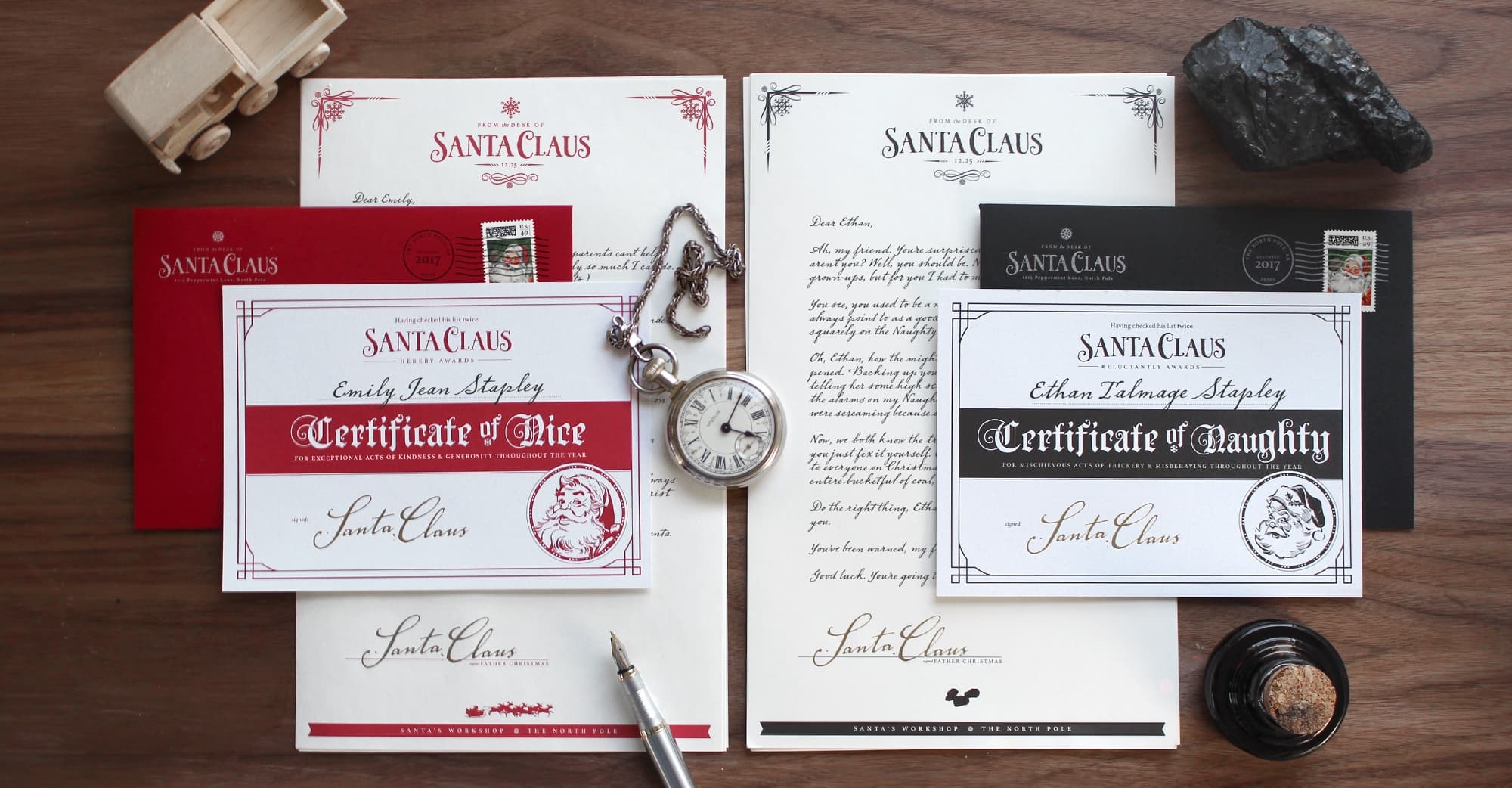
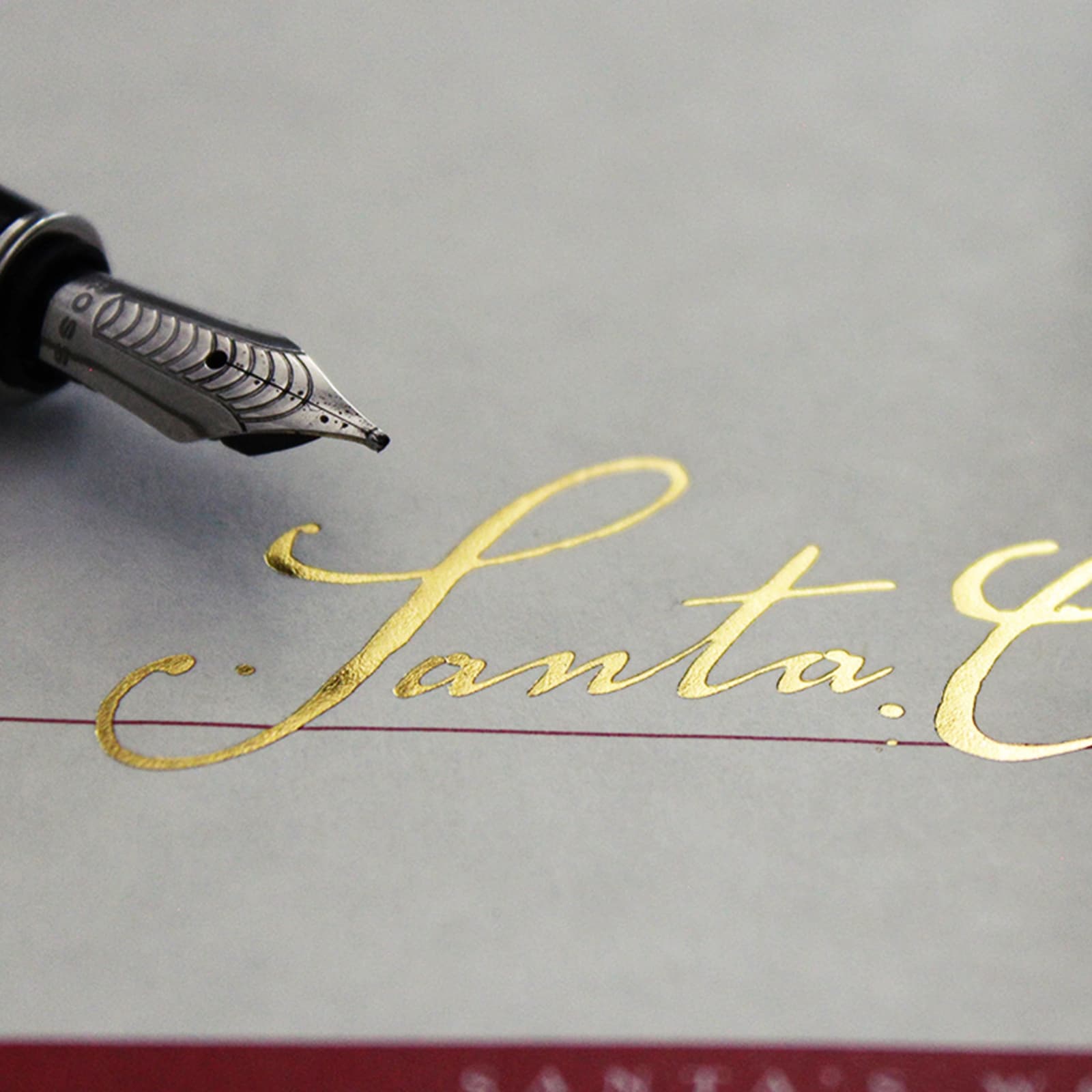
The key discovery was the USPS North Pole Holiday Cancellation Service. Real North Pole postmark on a real red envelope with a real wax seal. Letter printed on parchment with Santa's gold-foil signature. $9.95 per letter, free shipping. A Certificate of Nice came with every Red Letter. The whole thing was designed to survive the skepticism of a seven-year-old.
Seven years of iteration
Year 1: Proof of concept. Families loved it. Kids lost their minds. Parents cried. That's a product.
Year 2: Survive the kitchen table. Personalization system got smarter. Letter designs got better. Fulfillment stopped being me at 2 a.m.
Year 3: Expand the product line. Inside Red Letter alone, the catalog grew to Red Letters from Santa, Black Letters from Santa, and Postcards from Santa, plus Certificate of Nice and Certificate of Naughty as paid add-ons. Then I launched Santa's Black Coal, a gag-gift line. Real coal in a black box, "Mined in the North Pole." And White Elephant, kraft-paper packaging and a clean elephant logo for the gift-exchange crowd. Three brands, five-plus products, add-ons across them.
The architecture problem. The brand system had to flex across three emotional registers. Red Letter was warm and magic-preserving. Black Coal was dark humor. White Elephant was playful and neutral. Three personalities that couldn't bleed into each other. Most designers don't get to solve that until they're at an agency with a dozen clients. I solved it because I kept launching things.
By the end, the product was shipping internationally and pulling a return-customer rate of around 25%. For a once-a-year holiday product, that retention is the strongest product-market-fit signal there is. Families came back not because of marketing, but because Christmas morning had worked.
When the fulfillment cost comes out of your own pocket, you simplify the product fast. When the customer-service emails land in your inbox, you find out what actually matters versus what you assumed. When the revenue is yours, you care about conversion in a way you can't fake inside someone else's company.
Toys for Tots
$1 from every order went to Toys for Tots. Over the life of the business, that added up to $13K+ raised. We did shopping trips with the kids, filled carts with toys, documented the whole thing. It wasn't a marketing play. The product was already about making kids feel seen. Connecting with a charity that puts toys in the hands of kids who wouldn't otherwise get them was the obvious next step once the business could support it.

The press
No publicist. Every hit earned.
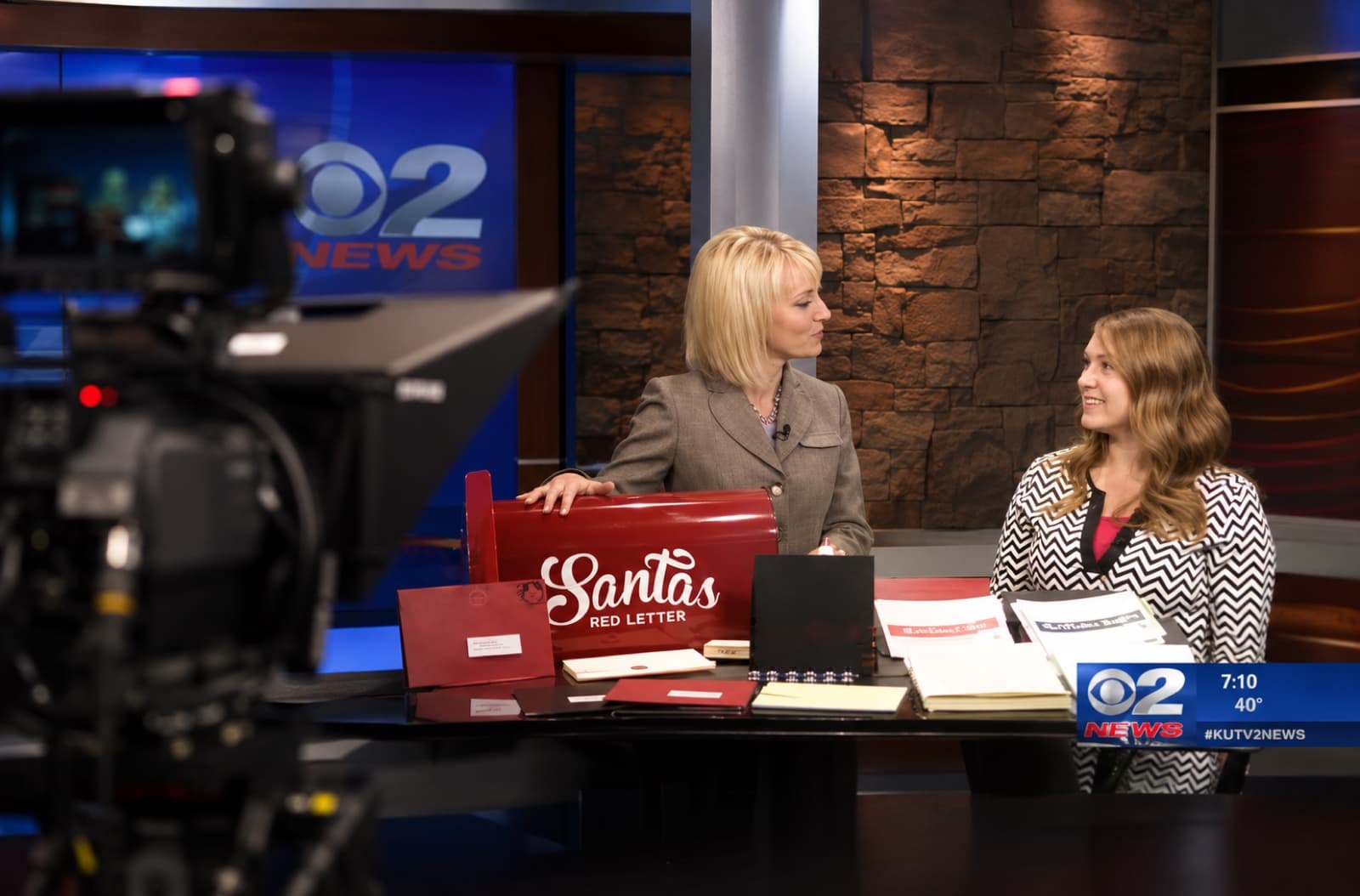
HuffPost called it the startup that "finally solved Santa's mail problem." Shopify featured it as a success story. POLITICO's E&E News covered Black Coal under the headline "The coal of choice for Santa." Cool Mom Picks recommended it. KUTV (CBS2 Utah) ran a television segment.
Journalists chose to cover it because the product was actually interesting. That's the most honest marketing validation there is.
The exit
After seven years I sold the business. Not because it wasn't working. Because I'd built the thing I set out to build, learned what I needed to learn, and was ready to focus on other work.
The design skills transfer directly. Brand systems that flex across sub-brands. E-commerce checkout optimization when the revenue is literally yours. Packaging design. Fulfillment workflow design. Personalization systems. Charity partnerships. Press strategy without a budget.
The real transfer is the mindset. When shipping late means your own money and your own kid's Christmas, the urgency stops being a performance. Not frantic. Just real. I've never been able to make the stakes feel abstract again, and I don't want to.
What this proves
I can build from zero. Not prototypes, not concept decks. Real products people paid for, kept, remembered, and that journalists found without a publicist. Most designer portfolios can't say that. That's the point.